Water quality in Gatlinburg and the surrounding Smoky Mountains can vary depending on the source. If your home relies on a private well, it’s important to understand potential contaminants that may affect your health and your home’s plumbing system. In this blog, we cover the most common water quality issues in Gatlinburg and explain why scheduling regular Water Testing in Gatlinburg TN is essential for safe, clean drinking water.
Common Water Contaminants in Gatlinburg
 1. Bacteria (e.g., E. coli, Coliform)
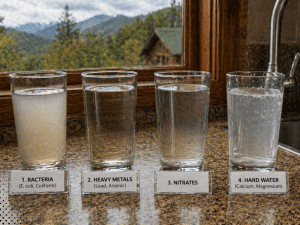 1. Bacteria (e.g., E. coli, Coliform)
Bacteria are among the most common contaminants found in private well water. These microorganisms can enter water supplies from a variety of sources, including wildlife waste, septic systems, and flooding. Coliform bacteria, including E. coli, are particularly concerning because they can cause gastrointestinal illness.
Why it matters: Regular water testing can detect the presence of these harmful bacteria and help prevent waterborne diseases.
2. Heavy Metals (e.g., Lead, Arsenic)
Heavy metals like lead, arsenic, and mercury are common contaminants found in well water. These metals can leach into water supplies through natural deposits, industrial waste, or old plumbing systems.
Why it matters: Lead is especially dangerous for children and can cause developmental issues. Arsenic is linked to serious health problems, including cancer. Regular water testing ensures that you are aware of any heavy metal contamination in your water supply.
3. Nitrates
Nitrates in well water are often the result of agricultural runoff, including fertilizer and animal waste. While nitrates are common in areas with farming, they pose a significant health risk for young children, particularly in large concentrations.
Why it matters: Nitrate contamination can cause a condition called blue baby syndrome, where infants are unable to properly process oxygen in their blood. Nitrate testing is crucial, especially for families with infants or pregnant women.
4. Hard Water
Hard water occurs when high levels of minerals like calcium and magnesium are present in the water. While hard water isn’t typically harmful to health, it can cause plumbing issues, appliance damage, and poor soap lathering.
Why it matters: Hard water can lead to scale buildup inside pipes and appliances like dishwashers and water heaters, shortening their lifespan. Regular testing can help identify hardness levels and inform necessary treatment.
Sources of Water Quality Issues in Gatlinburg
Geography and Natural Sources
In Gatlinburg, the mountainous terrain and forest runoff often introduce contaminants into water supplies. As water travels through soil and rocks, it picks up minerals and organic materials that can affect its quality. Wells located near agricultural areas or septic systems may also be at risk for contamination.
Nearby Construction and Flooding
Construction and development near waterways and flood-prone areas can introduce harmful chemicals, sediment, and bacteria into local water sources. The Tennessee River, as well as other local waterways, can contribute to the contamination of well water, especially after flooding or heavy rains.
Why Regular Water Testing is Essential
 Peace of Mind
 Peace of Mind
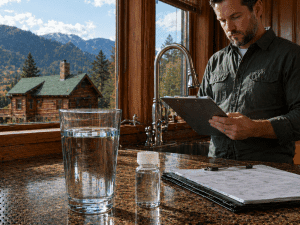
Routine water testing gives homeowners peace of mind that their water is safe for consumption. Whether you rely on a private well or municipal water, periodic testing ensures that there are no hidden contaminants that could pose health risks.
Protecting Your Family
For households with infants, elderly individuals, or pregnant women, regular water testing is vital. Contaminants like nitrates, bacteria, and heavy metals can be especially harmful to vulnerable populations, making annual testing an essential part of household safety.
Compliance for Real Estate and Loans
If you’re buying, selling, or refinancing a home in Gatlinburg, lenders may require a recent water test as part of the home inspection process. Lenders, including FHA, VA, and other private mortgage providers, often require water quality checks for properties with wells before closing.
Regular testing ensures not only water safety but also proper well maintenance. For those with septic systems, it’s important to test both systems regularly to avoid contamination risks. Septic Testing for Gatlinburg Homes
What to Do After Water Testing
Once your water has been tested, you’ll receive a clear, easy-to-understand report. If any contaminants are found, our Accu-Spec team will provide a follow-up consultation to help you understand your options for treatment. We can recommend filtration systems, well repairs, or treatment solutions to improve your water quality and protect your home and family.