Published date: October 1, 2026
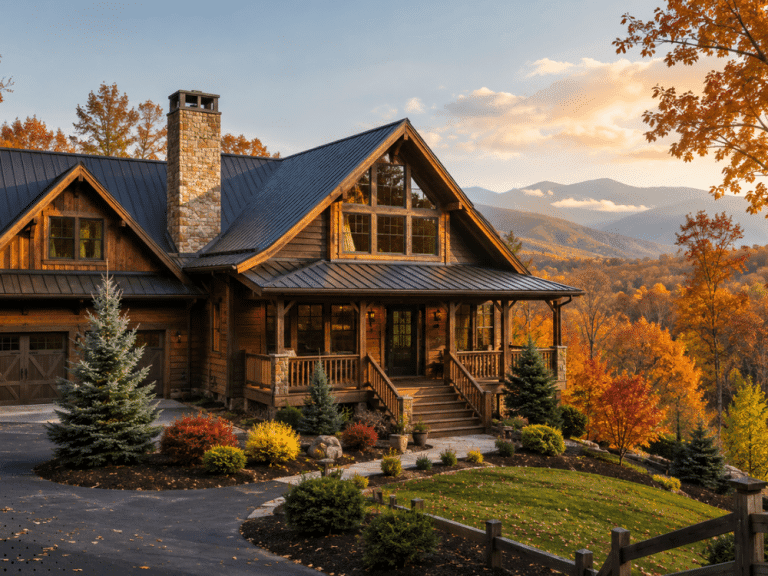
Planning to sell a Sevier County home or Smoky Mountain cabin next spring? October is an important time to consider a pre-listing inspection in Sevierville, TN, because it gives sellers time to understand the property before winter weather makes access, scheduling, and exterior work more difficult.
Leaf season is the busiest stretch of the year in Sevier County, and then it stops. By the second week of November, the crowds thin, the mountain weather turns, and everything about working on a property in the Smokies gets harder — the access roads, contractor calendars, weather windows, and more.
That makes October a narrow and valuable month for anyone planning to sell a home or cabin around Sevierville, Pigeon Forge, or Gatlinburg next year. Not because you should list now, but because this is one of the last comfortable stretches to find out what you are actually selling and address what you choose while the work is still easier to schedule.
A seller home inspection in Sevierville, TN is how you find out.
What Is a Pre-Listing Inspection in Sevierville, TN?
A pre-listing inspection is a full home inspection performed for the seller before the property is listed.
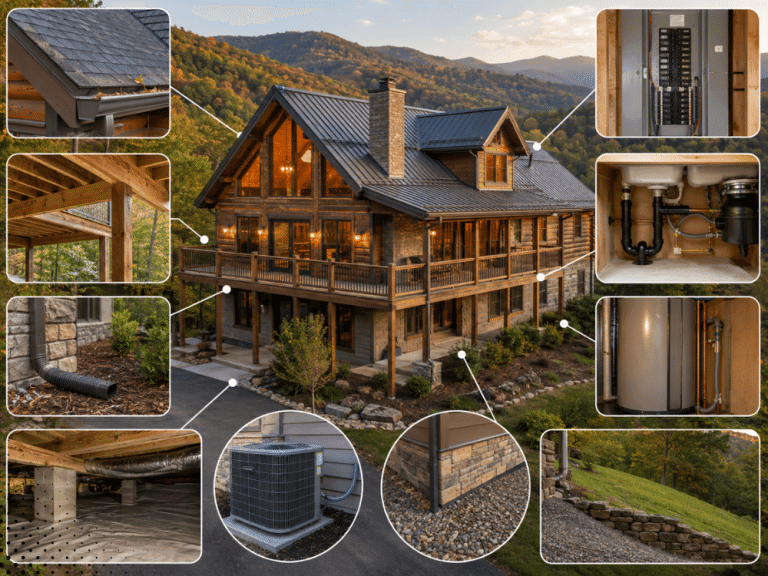
Accu-Spec Inspection Services walks the property much the same way a buyer’s inspector will — evaluating the roof, attic and ventilation, structure and foundation, crawl space, plumbing, electrical service and panel, HVAC, and visible interior and exterior components. The seller receives a written report with photographs similar to the report a buyer would receive.
The difference is that the information is yours early enough to use.
Repair what you choose. Get quotes on what you do not. Disclose and price accordingly. Or simply understand the property’s condition so that something raised during a spring negotiation is not the first time you have heard about it.
Why Is October a Good Time for a Pre-Listing Inspection in the Smokies?
Because mountain weather and mountain access often decide the schedule here, not just the calendar.
Roofers, HVAC technicians, well and septic contractors, and tree crews across Sevier County are running normal schedules right now. Once the first freeze arrives and the first ice event reaches the higher elevations, that can change quickly.
A no-heat call at a rental cabin with guests in it can move to the front of a service queue, while a steep gravel access road that is manageable today may become difficult for a service truck during winter weather.
Materials matter too.
Asphalt shingles need appropriate temperatures to seal. Exterior caulk, flashing compound, deck stain, mortar, and concrete also require suitable conditions to cure properly. Work completed during milder weather generally provides contractors with a more practical installation window than work attempted during a February cold snap.
A seller who schedules a pre-listing home inspection in Sevier County now has the winter to plan and early spring to execute. A seller who waits until April may discover a roof, deck, or other condition during the same month the property was supposed to be listed — while competing for the same contractors as other property owners.
What Does a Pre-Listing Inspection Usually Find on Sevier County Homes and Cabins?
Inspection findings in Sevier County are often shaped by terrain, water, mountain construction, and the fact that many properties operate as short-term rentals.
Decks — a major consideration for Smoky Mountain properties
Cabins here are frequently built on slopes, and the deck is often one of the property’s most important exterior features.
Inspectors evaluate ledger attachment and flashing, fastener corrosion, post-to-beam and post-to-footing connections, guard height and baluster spacing, stair stringers, and other visible components.
Elevated decks on steep lots deserve especially careful attention because their construction and exposure differ from those of a typical flat-lot residential deck.
Grading, drainage, and mountain runoff
Water moves quickly downhill.
Cut-and-fill lots, retaining walls, culverts, and drainage paths that concentrate runoff toward a structure deserve careful evaluation during a home inspection in Sevierville, TN.
Inspectors may note erosion channels, conditions around footings, crawl-space moisture, drainage patterns, and visible movement or deterioration at retaining walls.
Crawl spaces and moisture
A ventilated crawl space in a humid mountain climate requires ongoing moisture management.
Standing water, displaced vapor barrier, damp or fallen insulation, elevated framing moisture, and visible fungal-like growth on joists are among the conditions that may be observed.
These areas often receive additional attention during inspections of Smoky Mountain cabins and hillside homes.
Roofs under a heavy tree canopy
Sevier County roofs often sit beneath significant tree coverage.
Wet leaf litter can collect in roof valleys, limbs can contact roofing surfaces, and flashing at roof-to-wall transitions deserves close evaluation.
Metal roofs, which are also common on mountain properties, have their own inspection considerations, including fasteners, sealant at penetrations, panel condition, and other visible installation details.
Wells, septic systems, and heat sources
Many properties outside city limits rely on private wells and septic systems.
Both matter to buyers and can be evaluated before a buyer’s inspection raises questions. Owners of rural properties may want to consider well water testing and septic testing in addition to the standard home inspection.
Wood stoves and fireplaces, also common in cabins, should have appropriate clearances, an intact visible system, and documented cleaning and maintenance where applicable.
Short-term rental property items
If the property has operated as a short-term rental, expect additional attention to features associated with frequent guest occupancy.
These may include hot tub electrical and bonding, egress from sleeping areas, smoke and carbon monoxide alarm coverage, handrails and guards, and visible wear associated with high-turnover occupancy.
Does a Pre-Listing Inspection Create a Disclosure Problem in Tennessee?
Tennessee sellers complete a Residential Property Condition Disclosure, and questions about what a seller is legally required to disclose should be discussed with a real estate agent and, when appropriate, a Tennessee real estate attorney.
That determination belongs to those professionals, not the home inspector.
But consider the alternative carefully.
The alternative is not necessarily that nobody finds out. It may mean the buyer’s inspector identifies the deck ledger, crawl space condition, or another item during the inspection period, after an offer has already been accepted.
At that stage, the seller may be discussing repairs, credits, or other terms while already under contract.
A pre-listing inspection allows the seller to understand the condition earlier, obtain contractor quotes when appropriate, decide what to address, and enter the listing process with more information.
What Should Sevier County Owners Handle in October?
- Walk the deck deliberately. Push on the guards. Look at the ledger where it meets the house and at each visible post base. Elevated decks deserve particular attention on mountain properties.
- Clear the roof and gutters, then check them again after the leaves finish dropping. Roof valleys and gutters beneath heavy tree cover can collect significant leaf debris.
- Prepare plumbing before the first hard freeze. Disconnect hoses, drain and shut exterior spigots where appropriate, and pay attention to supply lines running through unheated crawl spaces.
- Run the heating system on a mild day and have routine service completed before colder weather increases seasonal demand.
- Sweep and inspect the chimney or wood stove flue.
- Test smoke and carbon monoxide alarms. The U.S. Fire Administration publishes current guidance on alarm placement and replacement, and carbon monoxide considerations become increasingly important as the heating season begins.
- Look at the tree line for dead or overhanging limbs above the roof, driveway, or electrical service drop while tree-service access and weather conditions remain manageable.
What Does a Pre-Listing Home Inspection Cover in Tennessee?
A home inspection in Tennessee is a visual and operational evaluation of accessible systems and components of a property.
Typical areas include the structure, roofing, exterior, interior, electrical system, plumbing, HVAC, insulation, and ventilation, with the report documenting what was visible and how accessible components performed on the day of the inspection.
It is not destructive testing, and it is not a code-compliance inspection, which falls under the appropriate local authority.
InterNACHI’s Standards of Practice guide the general scope of a home inspection, while Tennessee licenses home inspectors through the Department of Commerce and Insurance.
Services such as well water testing, septic evaluation, and radon testing have separate scopes and may be worth discussing when scheduling an inspection, particularly for rural Sevier County homes and cabins.
What Sevier County Sellers Ask Most
Is a pre-listing inspection different for a cabin than for a primary residence?
The overall inspection scope is similar, but the emphasis can shift.
On a Smoky Mountain cabin, inspectors may pay additional attention to the deck, access, drainage on a sloped lot, crawl space, roof, and heat source. If the property has operated as a short-term rental, life-safety features may also receive added attention because of frequent guest turnover.
How far ahead of listing should I schedule a pre-listing inspection?
Far enough ahead that you have time to act on the information.
For a spring listing in the Smokies, October provides a useful planning window because access remains easier, temperatures are generally more workable for exterior projects, and sellers still have winter and early spring to obtain quotes or plan repairs.
Waiting until March or April compresses that timeline into the same period when you may want the property ready for market.
Do I have to fix everything the inspection report finds?
No.
A home inspection report provides information; it is not a work order.
Sellers can decide which items to address, which items warrant contractor quotes, and which conditions should be discussed with their real estate professional as part of the disclosure and listing process.
Should the well and septic system be evaluated too?
For a rural Sevier County property, buyers may ask about both.
Septic testing and well water testing are separate from a standard home inspection, but evaluating them earlier can give the seller more information before those systems become part of a buyer’s inspection contingency.
What areas does Accu-Spec Inspection Services cover?
Accu-Spec serves Sevier County and the surrounding East Tennessee region, including Sevierville, Pigeon Forge, Gatlinburg, Seymour, Kodak, and surrounding communities.
Call to confirm availability for a specific property address.
How long does a home inspection take?
Typically, an inspection may take approximately two and a half to four hours, with additional time possible for larger cabins with multiple levels, extensive decking, hot tubs, detached structures, or additional inspection services.
The written report includes photographs, condition notes, and recommendations based on the inspection findings.
What does a home inspection cost in Sevierville, TN?
Inspection fees depend on factors such as square footage, property age and type, and whether additional services such as radon testing, well water testing, or septic evaluation are included.
Call with the property address and details for an accurate figure before scheduling.
Leaf season ends, and the easy mountain work window can close quickly.
If you are selling a Sevier County home or cabin next spring, October is a practical time to understand what you are selling and decide what you want to address before listing.
Schedule your pre-listing inspection with Accu-Spec Inspection Services or call Tom at 865-658-1050.
Not selling? Explore Accu-Spec home inspection services in the Smoky Mountains. A maintenance inspection can evaluate many of the same accessible systems and components before winter.